Solana3
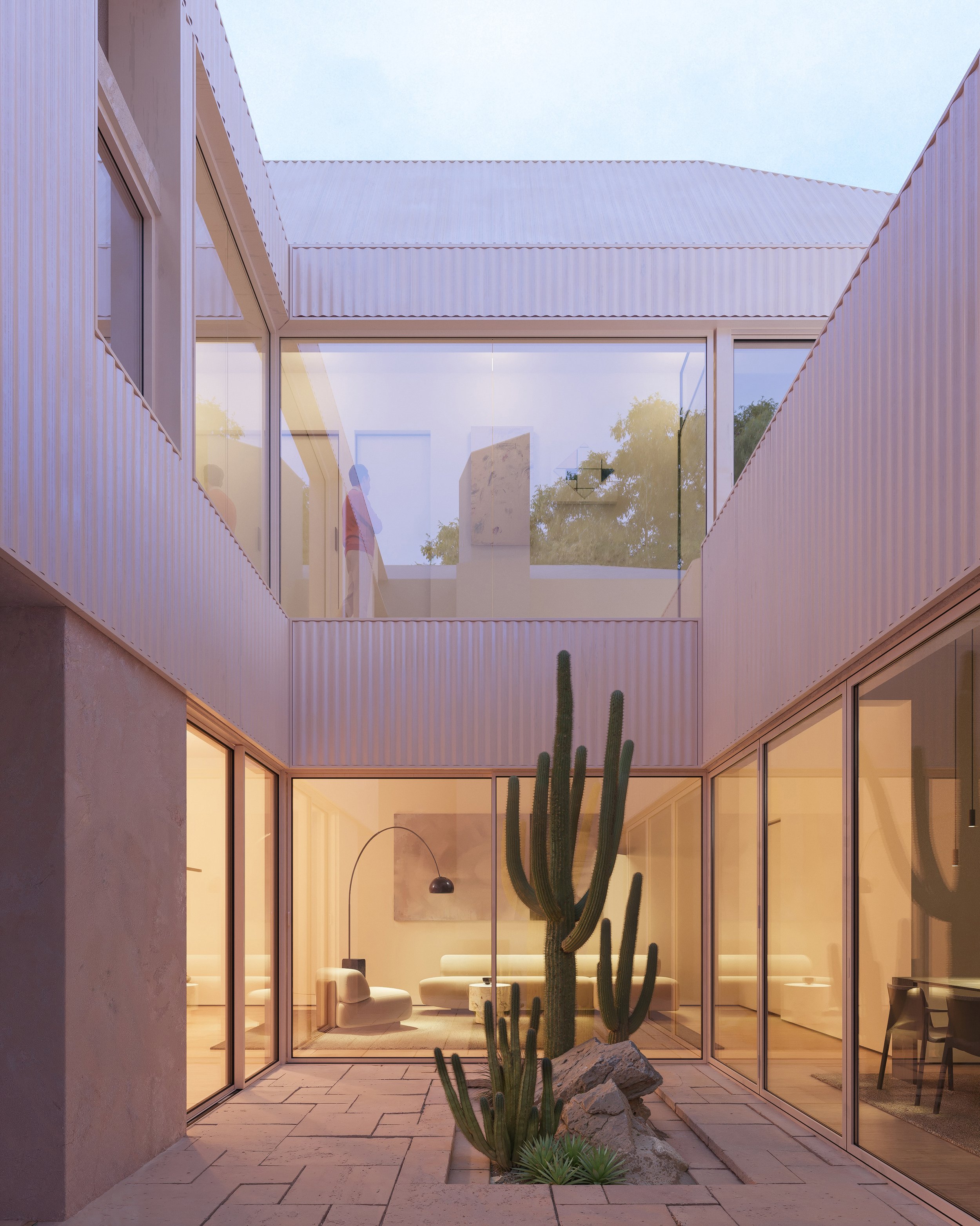
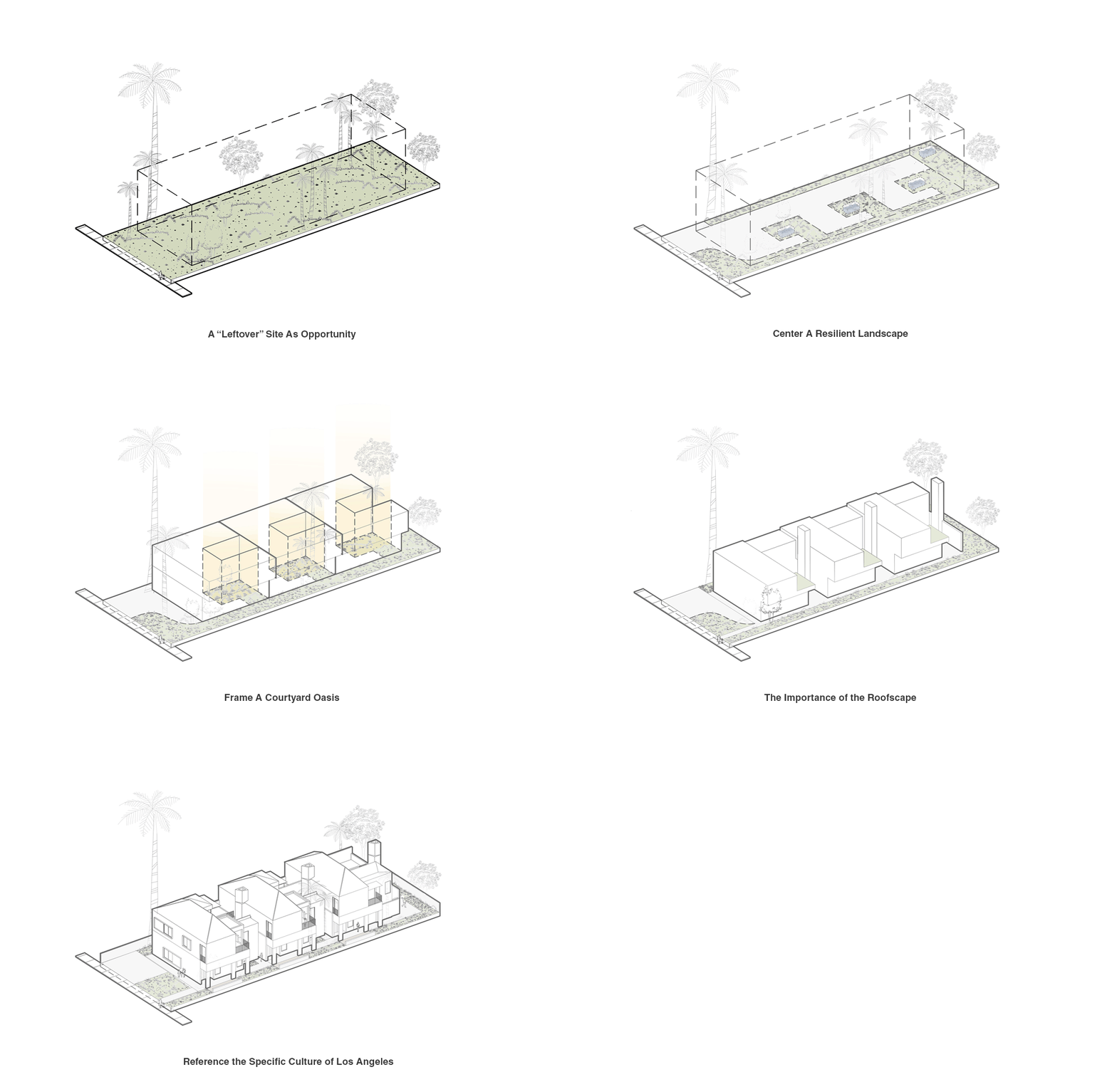
Solana is a proposal for the Small Lots, Big Impacts competition, which seeks innovative housing solutions to address Los Angeles’ housing crisis. The design reinterprets Southwestern courtyard homes and Spanish haciendas for a post suburban urban future, offering flexible, compact living arrangements on underutilized city lots. The project features three sculptural row houses arranged around private courtyards, allowing for both community interaction and personal retreat. With an emphasis on community resilience, the design incorporates sustainable materials such as limewash, weathered wood, and stone aggregate, while also prioritizing cost-effective construction methods. Solana3 offers a forward-thinking model for creating affordable, high-quality housing on small urban parcels, addressing both the city’s housing shortage and its post-fire recovery needs.
Location
Los Angeles, CA (or anywhere!)
Units
6
Modularity + Flexibility | CLT
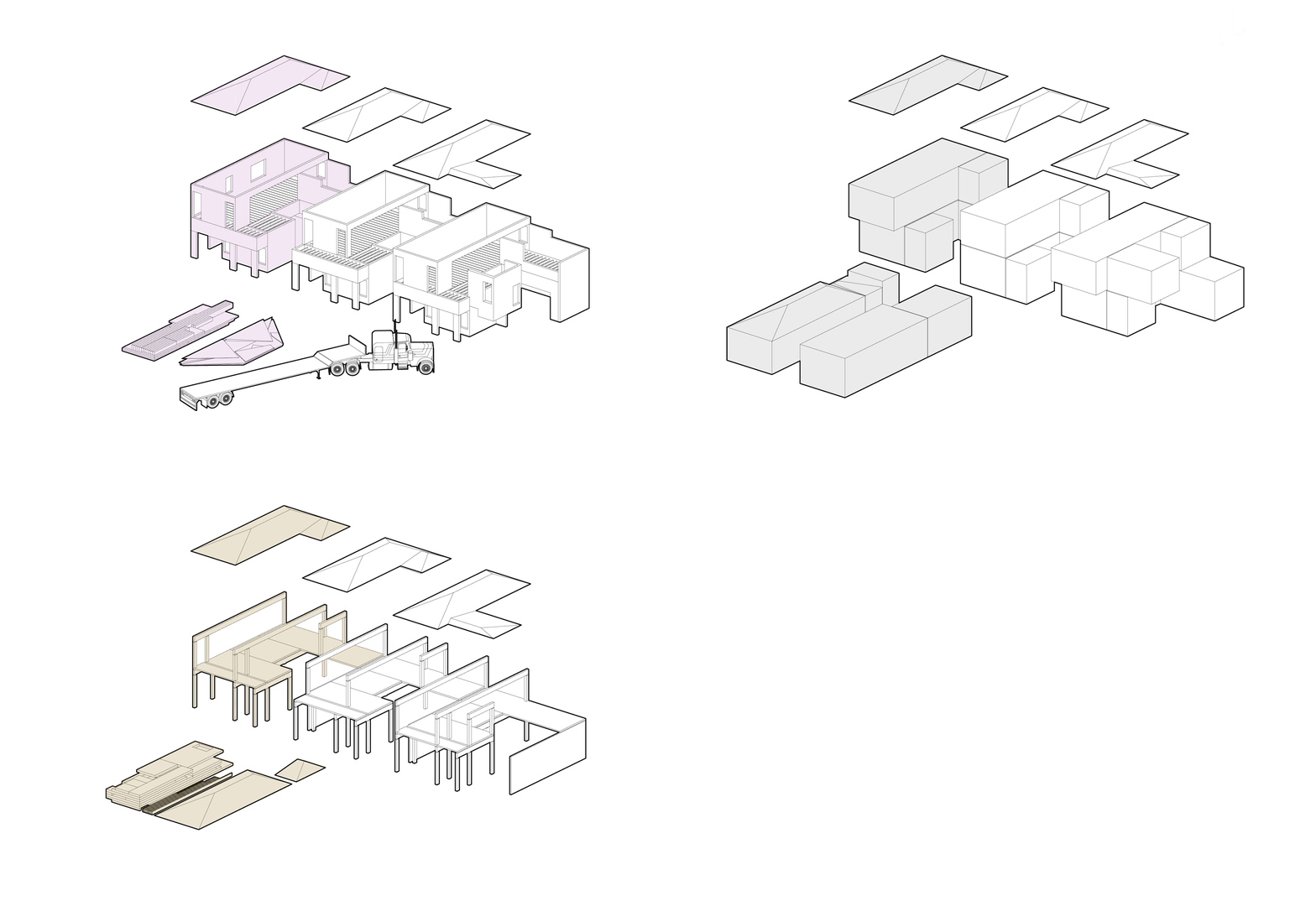
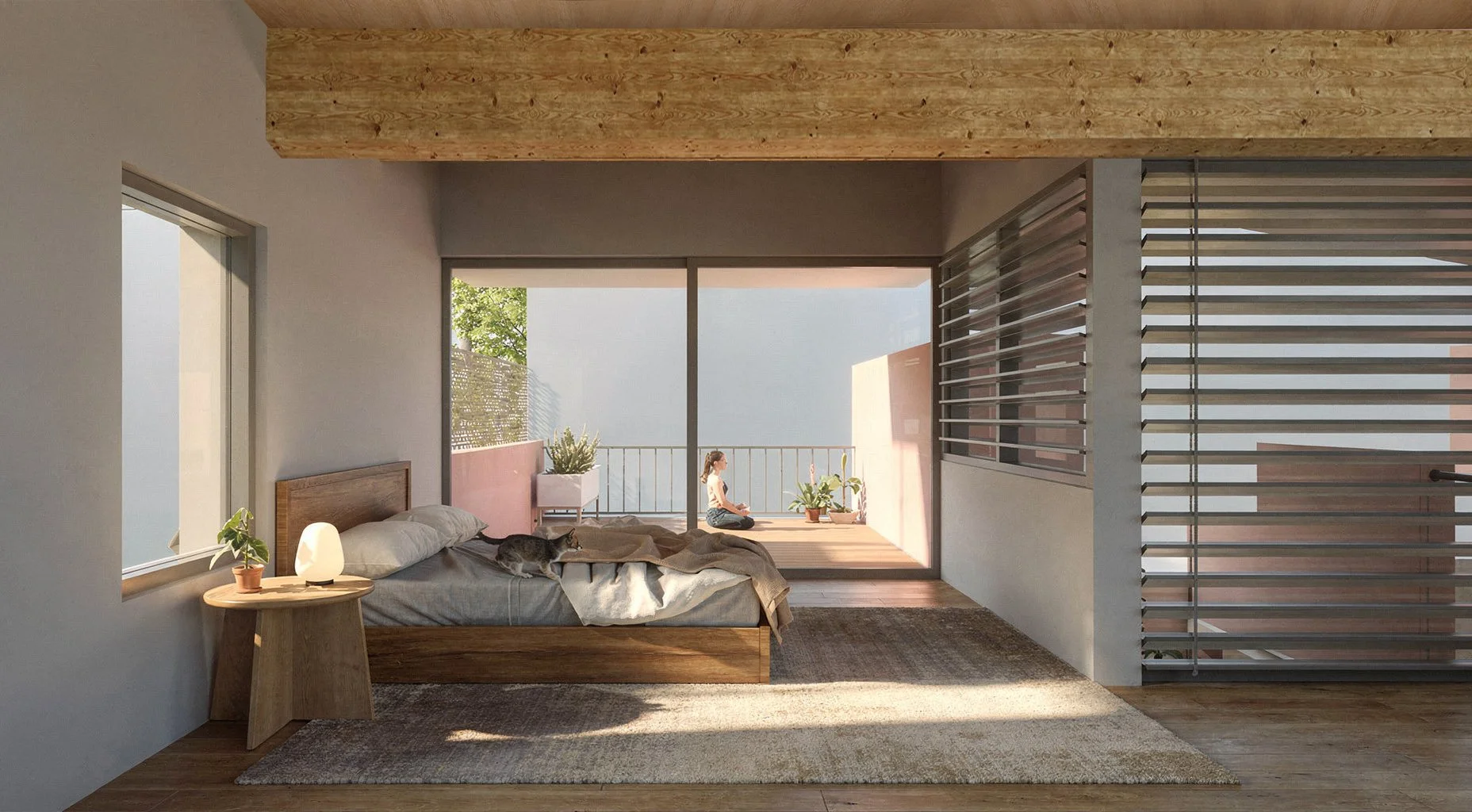
The design is anchored in a modular 36’×36’ grid, making Cross-Laminated Timber (CLT) an ideal structural solution. CLT offers sustainability, durability, fire resilience, and rapid construction, while its consistent spans (12'–16') optimize cost across multiple units. Exposed CLT interiors bring warmth and reinforce the southwestern courtyard typology, balancing the project’s more industrial exterior palette.
Modular Boxes
The 36’×36’ module and typical room widths lend themselves to shop-fabricated units that can be stacked to two stories. Each two-story residence—single-family or stacked flats—can be delivered on two trucks, allowing the entire development to arrive on just six. This approach streamlines construction, reduces on-site disruption, and maintains precision in fabrication.
Panelized Systems (Ex. SIPs)
While CLT shaped the initial concept, the layout’s clarity allows for flexibility in structural strategy. The modules can be framed in standard wood or executed with panelized systems such as SIPs, offering high insulation value, airtightness, fast assembly, and reduced material waste. This adaptability ensures the design can respond to changing economic or supply conditions without compromising architectural intent.
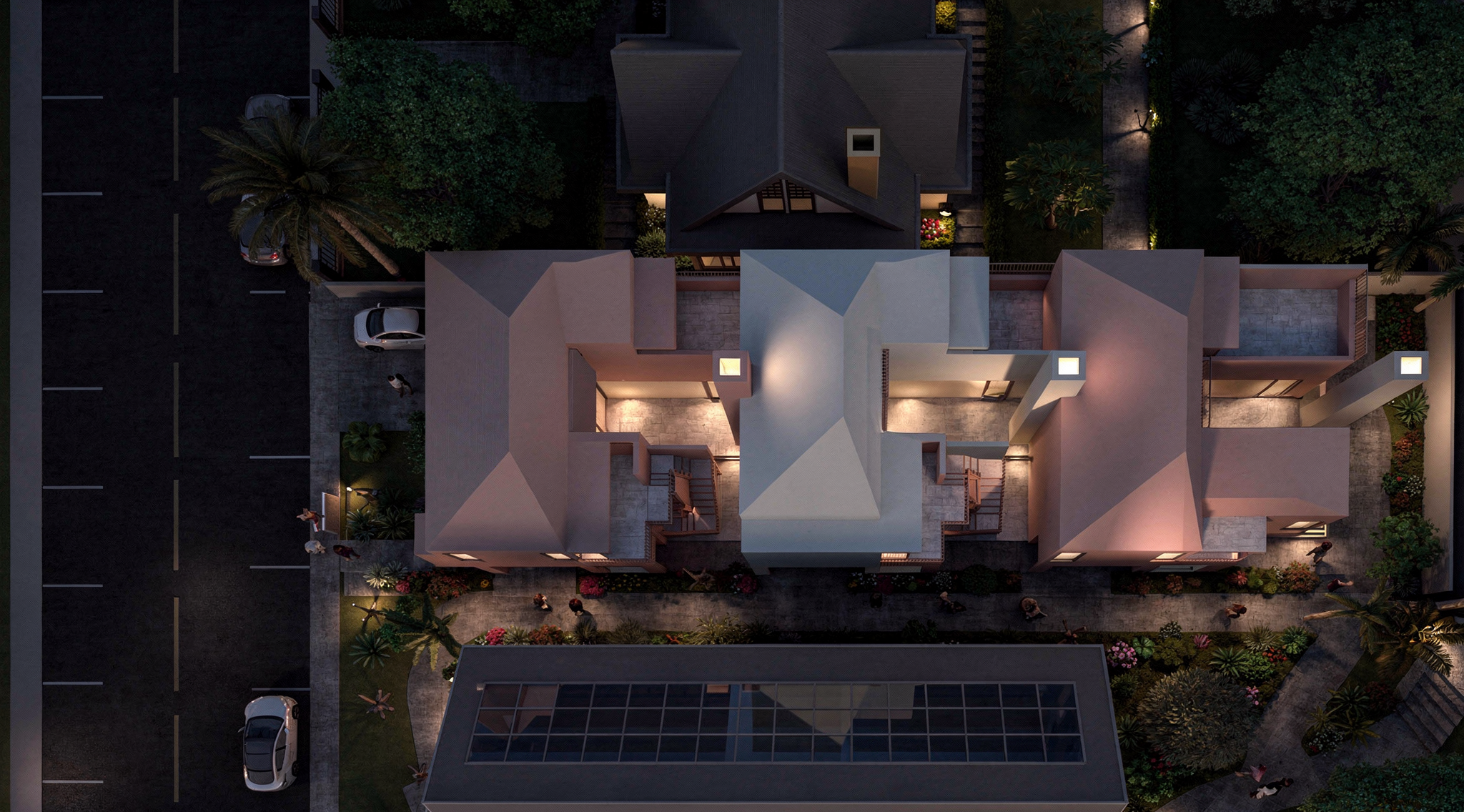
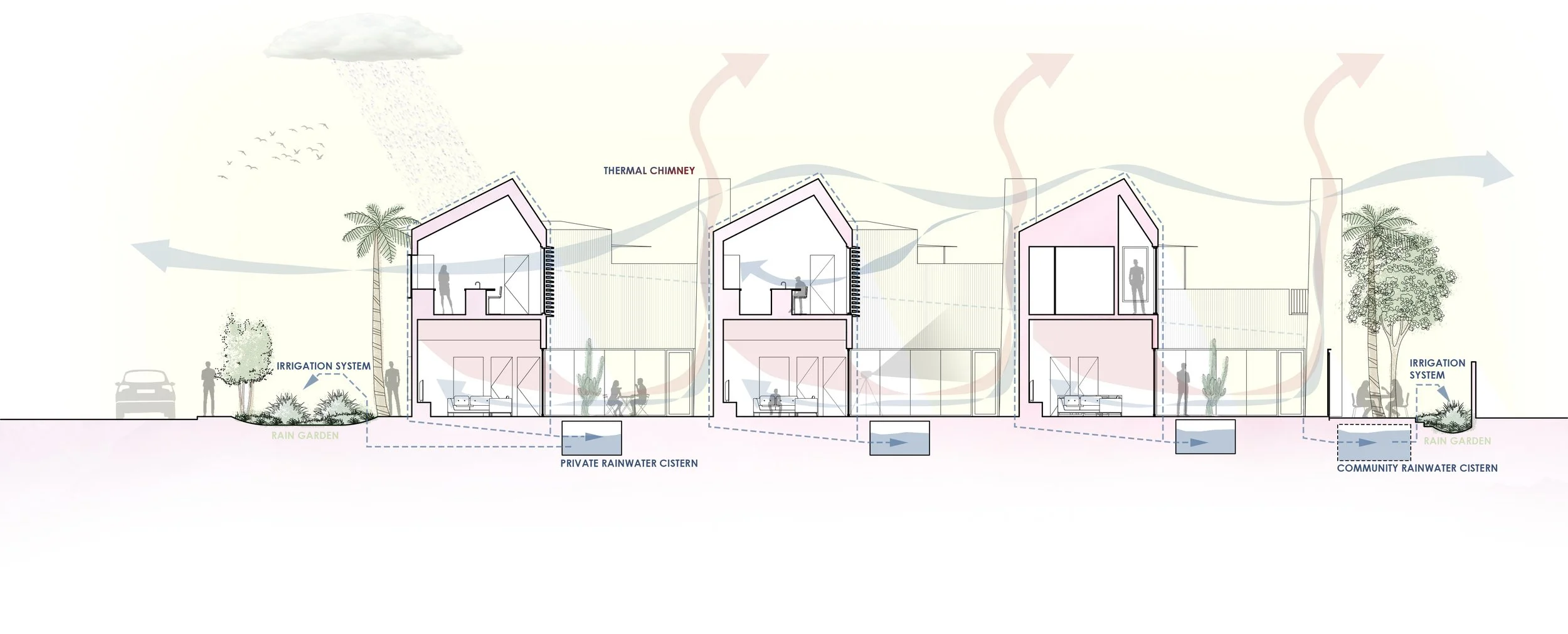
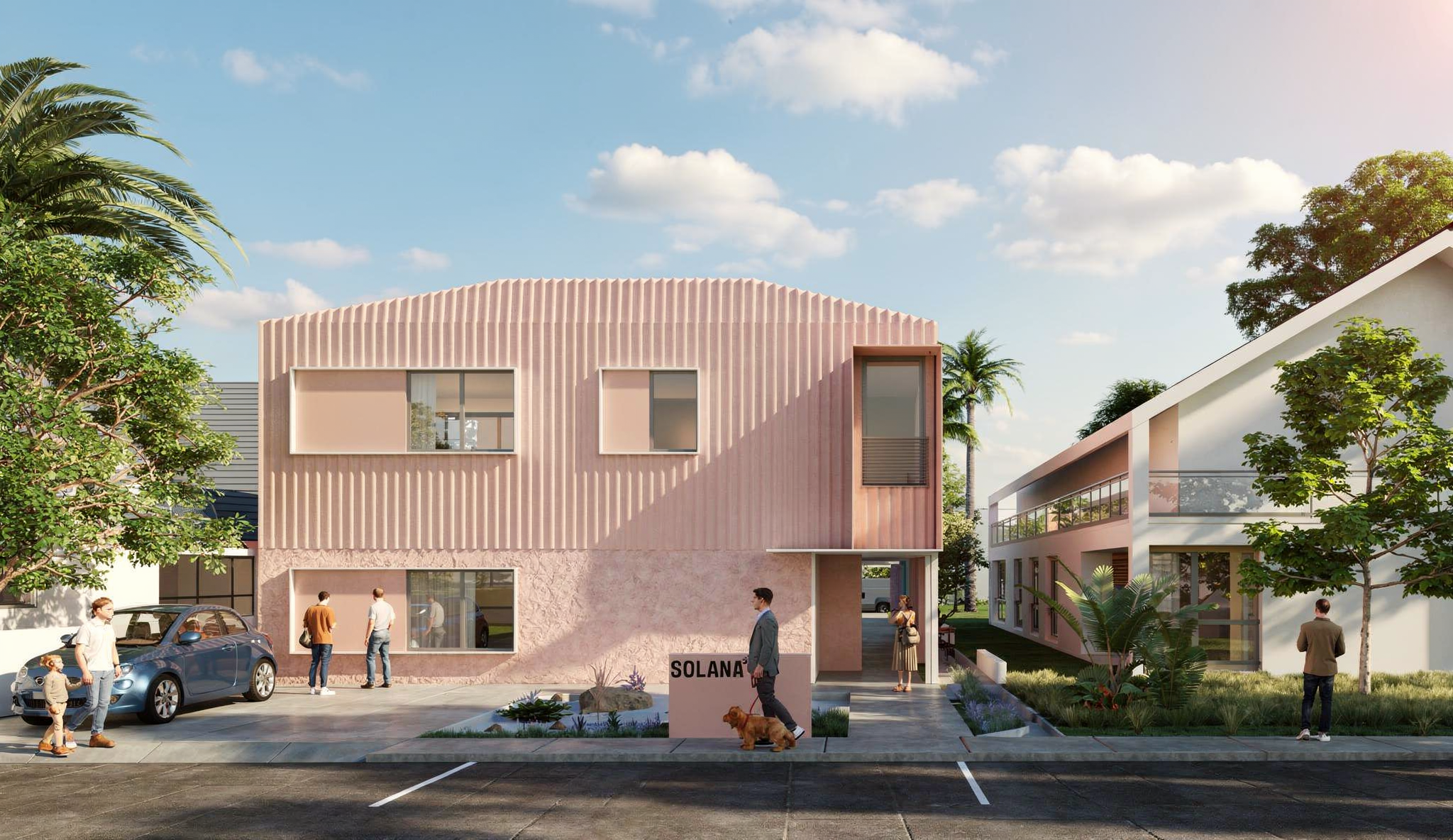
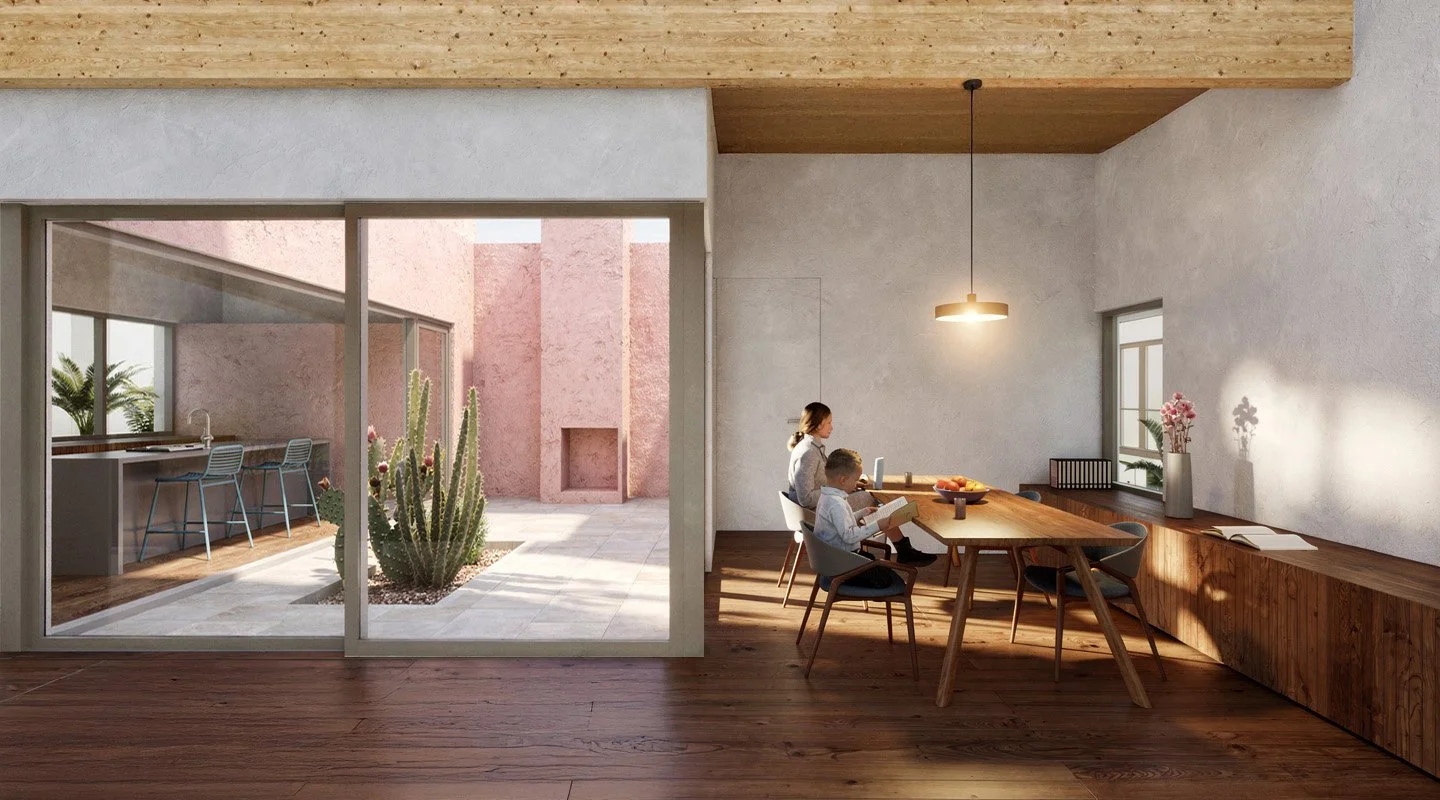
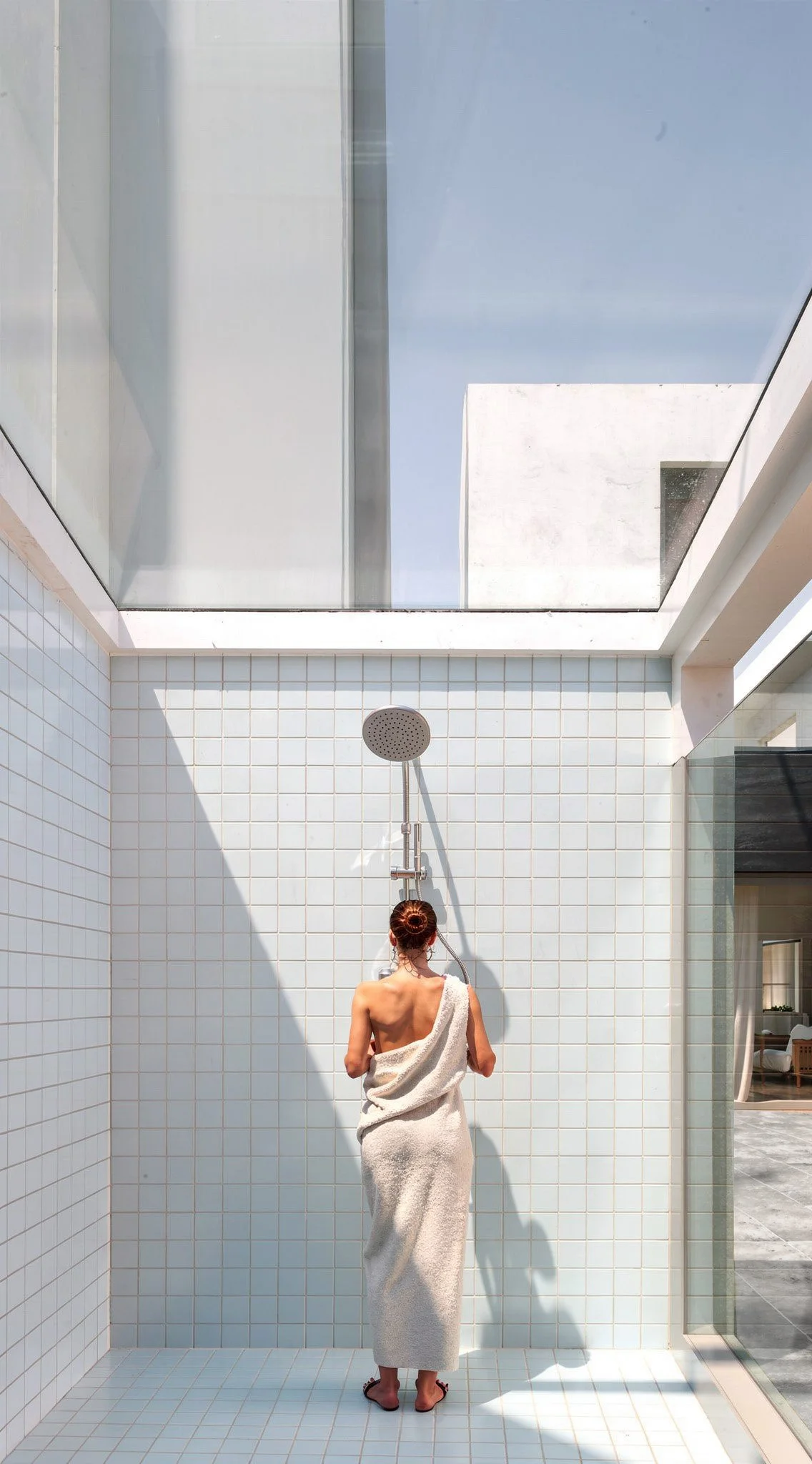
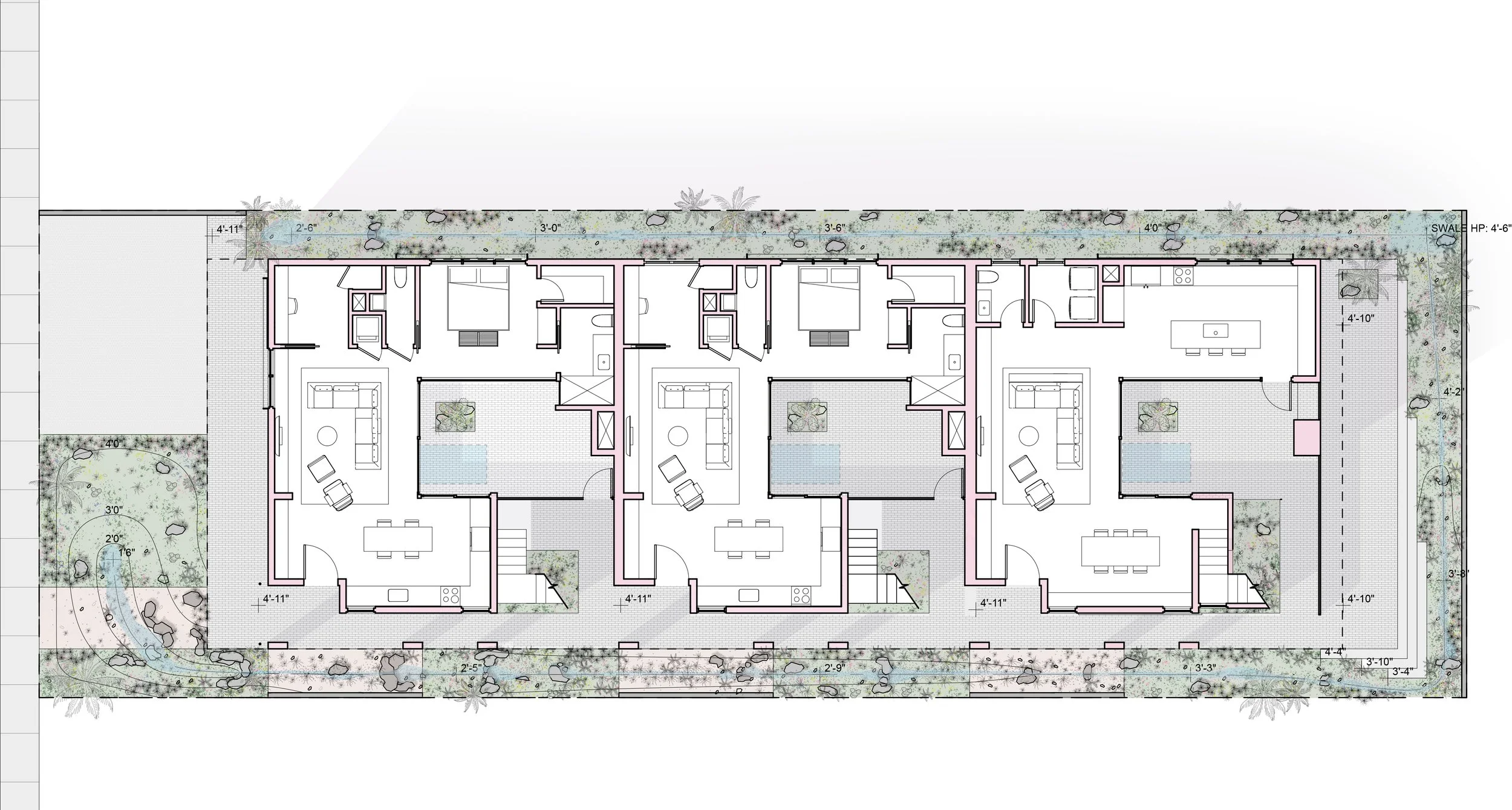
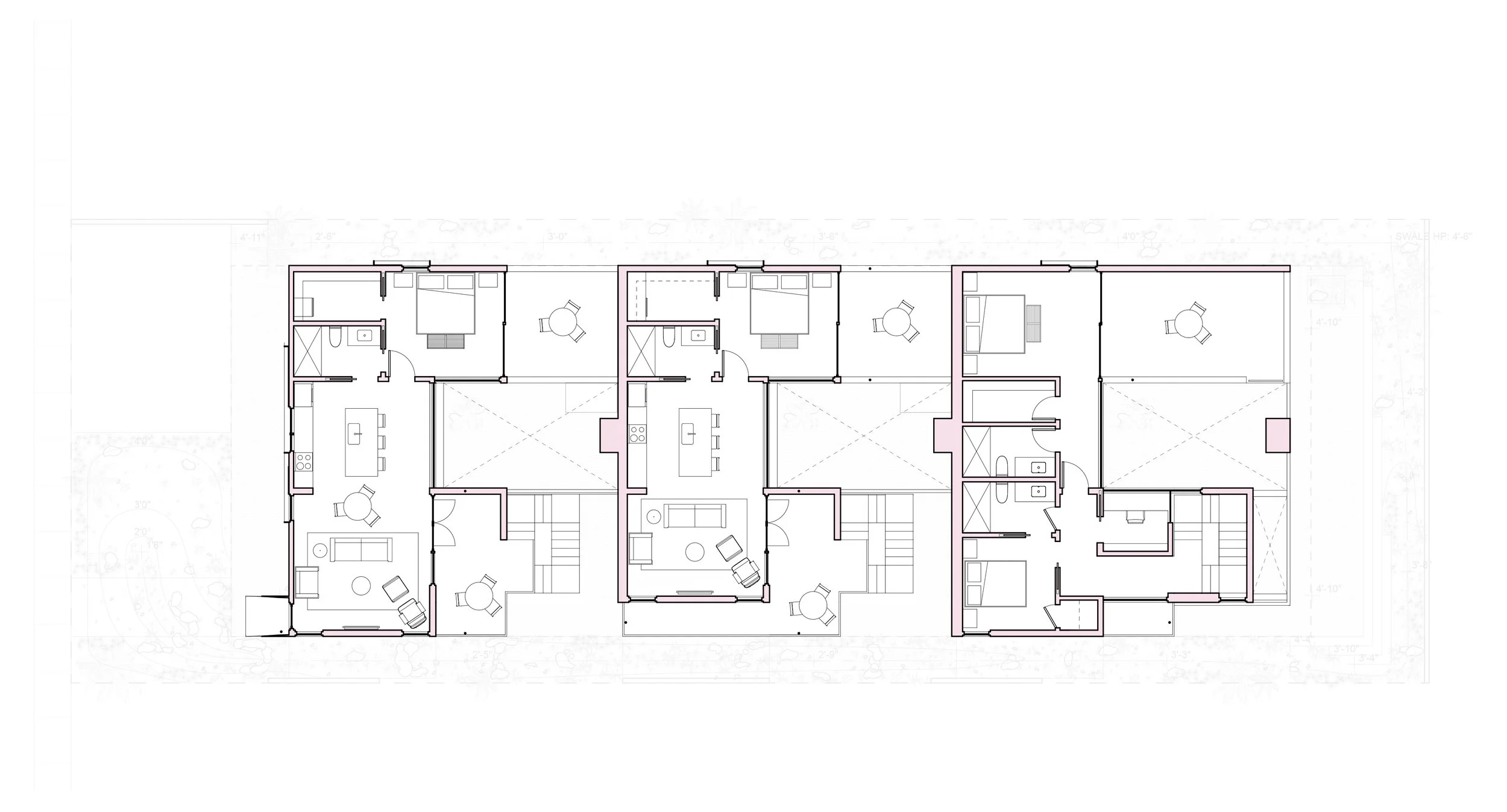
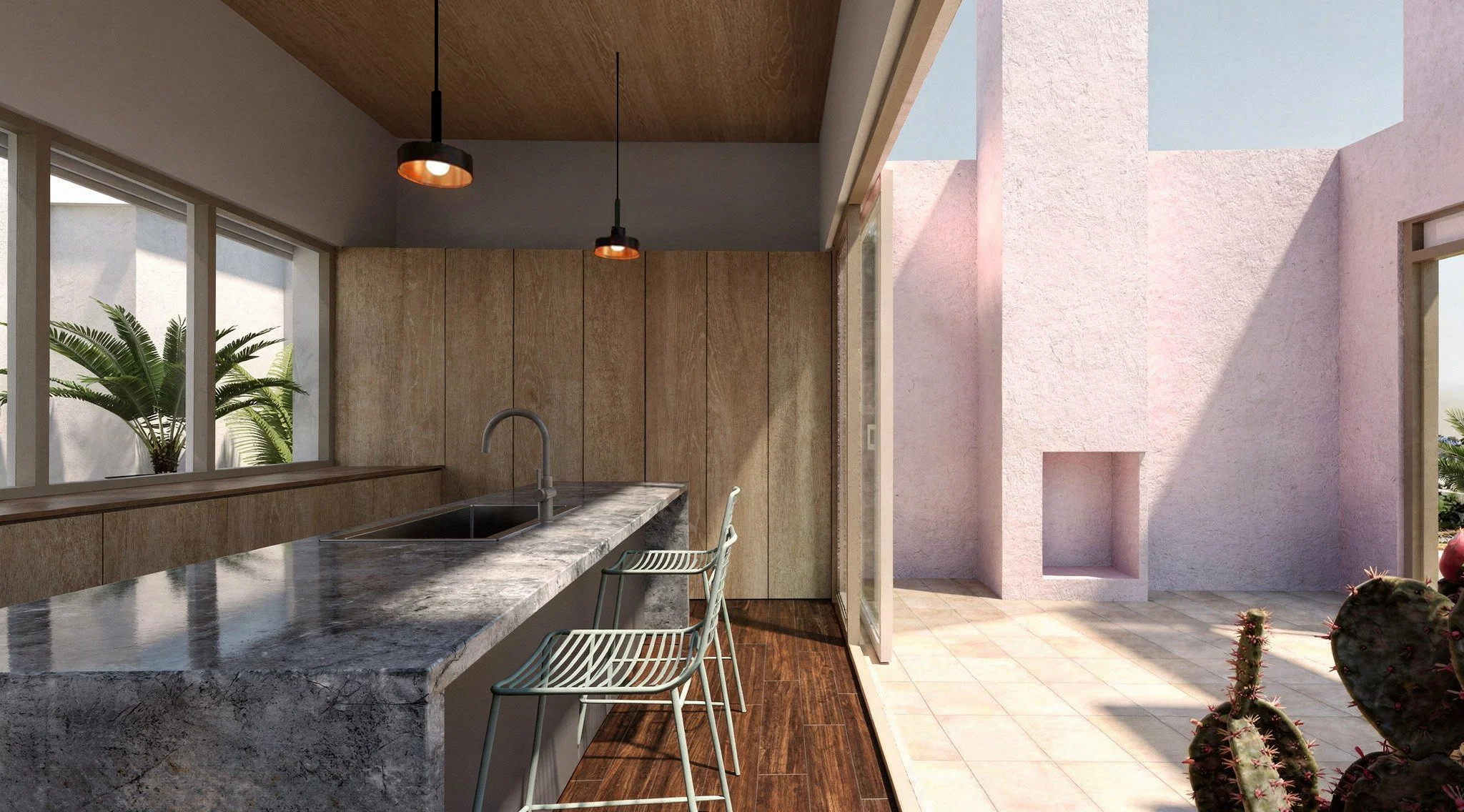
Solana explores housing in Los Angeles through a layered indoor–outdoor condition. Each unit opens to private outdoor rooms, allowing light, air, and landscape to move through compact environments. The project draws from courtyard housing precedents to support both shared community and individual retreat, reinterpreting it to apply to dense, small-lot development.
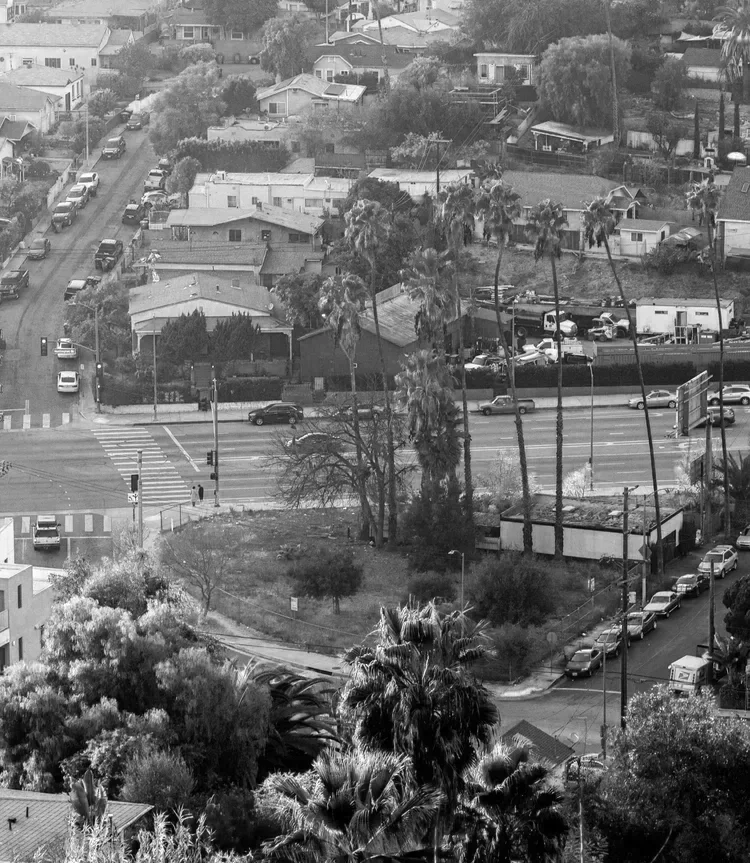
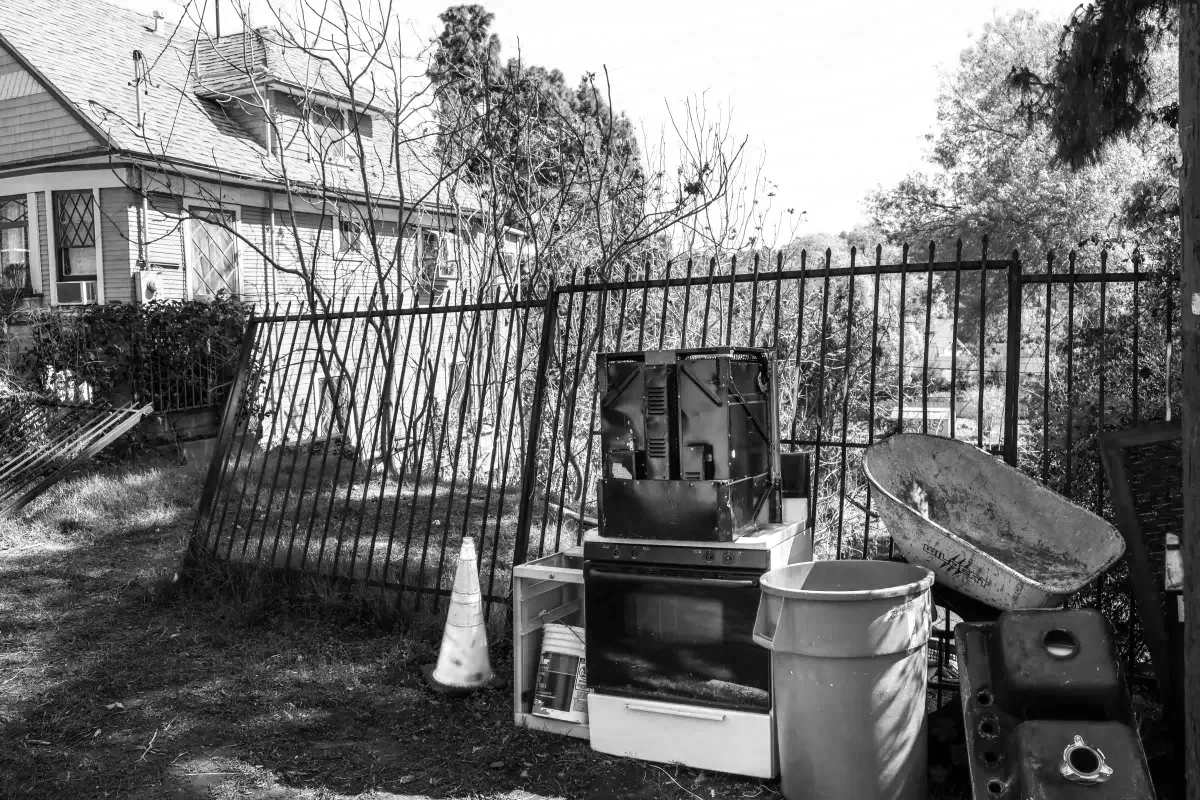
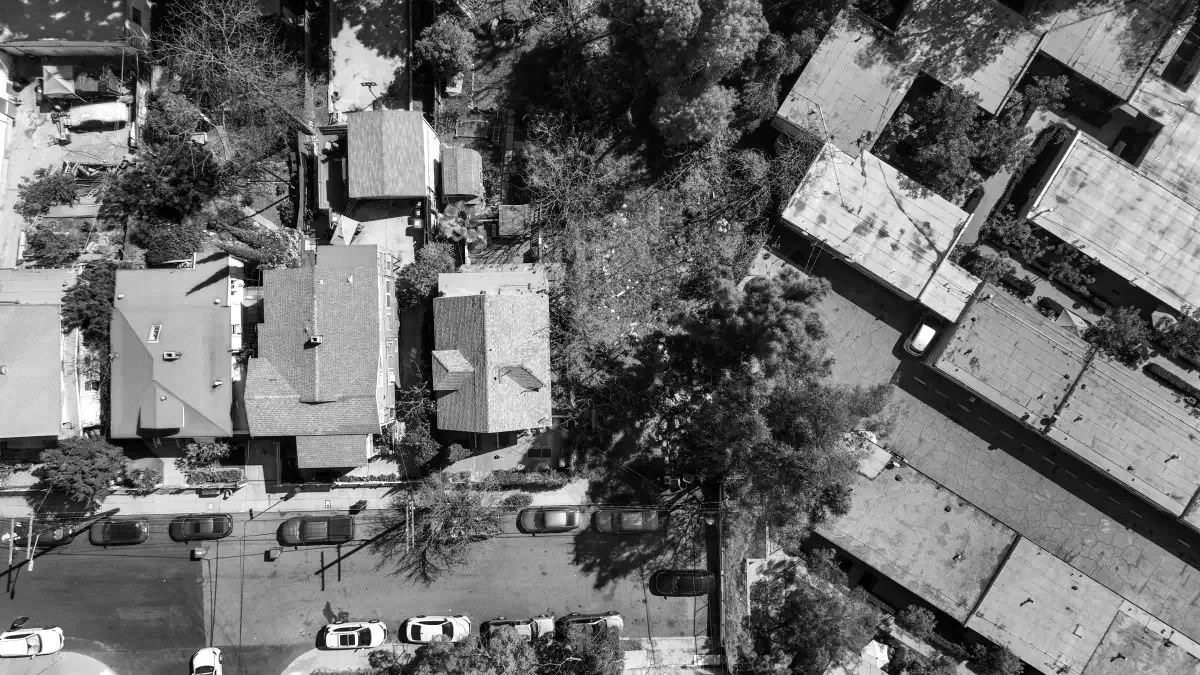
EXISTING